Understanding Ductless Air Conditioners
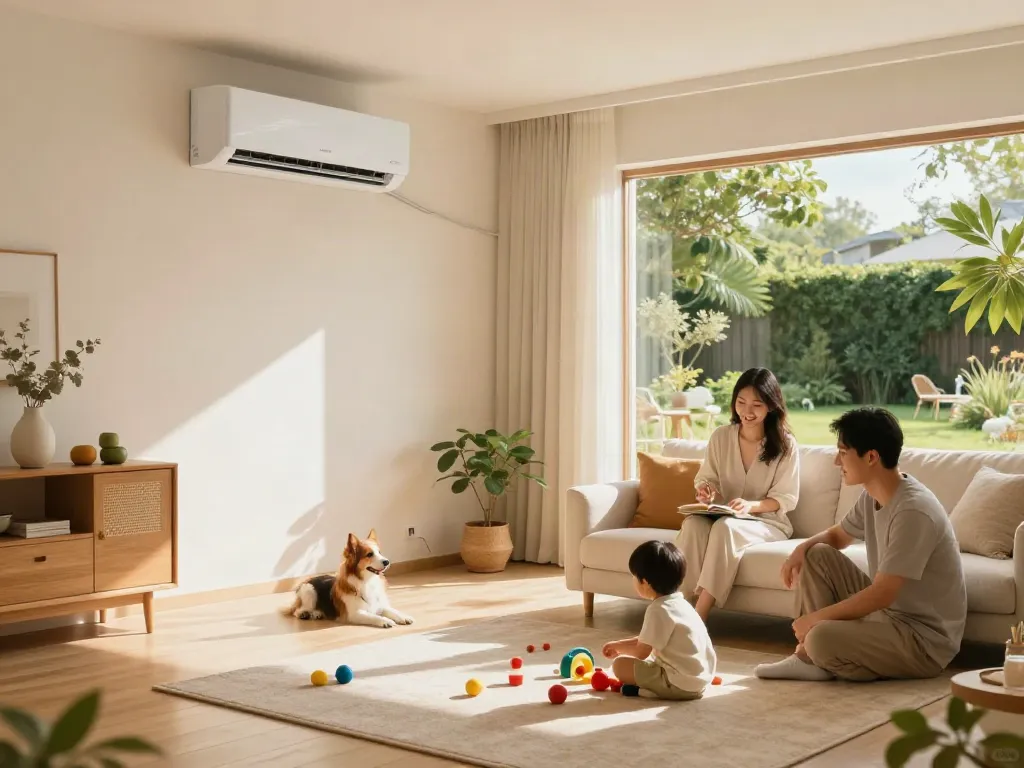
Ductless air conditioners, often referred to as mini-splits, are gaining popularity among homeowners seeking efficient and flexible cooling solutions. Unlike traditional central air conditioning systems that rely on ductwork to distribute cool air, ductless systems consist of two main components: an outdoor unit and one or more indoor air handlers. This configuration allows for targeted cooling in specific rooms or zones, making them an excellent choice for various home layouts. When exploring options, ductless air conditioner provide comprehensive insights into modern cooling technologies.
What Is a Ductless Air Conditioner?
A ductless air conditioner is a type of HVAC system that provides both cooling and heating without the need for extensive ductwork. It typically comprises an external unit that houses the compressor and condenser, and one or more indoor units that are installed in the areas they are meant to cool or heat. These indoor units are often mounted on walls or ceilings and can be controlled independently, granting homeowners the convenience of setting different temperatures for different rooms.
How Do Ductless Systems Work?
Ductless systems operate using a refrigeration cycle, where refrigerant absorbs heat from inside the home and releases it outside. The process starts when warm air is drawn into the indoor unit, where the refrigerant absorbs the heat and evaporates. The now warm refrigerant is sent to the outdoor unit, where it releases its heat, condenses back into a liquid, and is then pumped back to the indoor unit to continue the cycle. This efficiency is what makes ductless systems particularly attractive, as they require less energy to operate compared to traditional systems.
Common Misconceptions About Ductless Air Conditioning
Despite their growing popularity, several misconceptions about ductless air conditioners persist. One common myth is that they are only suitable for smaller spaces. In reality, ductless systems come in various capacities and can effectively cool larger areas as well, especially when multiple indoor units are used in conjunction. Additionally, some believe that ductless systems are noisy; however, modern units are designed to operate quietly, with many models producing sound levels comparable to a whisper.
Benefits of Ductless Air Conditioners
Ductless air conditioners offer numerous advantages over traditional HVAC systems, making them a compelling choice for both new constructions and renovations. From energy efficiency to installation flexibility, these systems can cater to a wide range of cooling needs.
Energy Efficiency of Ductless Systems
One of the primary benefits of ductless air conditioners is their energy efficiency. Traditional systems often lose energy through duct leaks, which can account for significant heat loss or gain. Ductless systems eliminate this issue entirely, as the lack of ductwork ensures that cool air is delivered directly where it is needed. Many ductless models also boast high Seasonal Energy Efficiency Ratios (SEER), enabling substantial savings on energy bills, particularly during peak cooling seasons.
Flexible Installation Options for Any Space
The installation process for ductless systems is straightforward and less invasive than that of central HVAC systems. They do not require extensive ductwork, making them ideal for retrofitting into existing homes. The indoor units can be strategically placed to maximize comfort, and their sleek design minimizes visual impact on the home’s aesthetics. Additionally, ductless air conditioners can be installed in challenging spaces, such as attics, basements, or converted areas where traditional systems might not fit.
Cost Effectiveness Compared to Traditional HVAC Systems
While the initial investment for ductless systems can be higher than that of window or portable units, they often pay off in the long run through lower energy bills and reduced maintenance costs. Furthermore, the flexibility in installation means that homeowners can avoid the costly renovations that may come with installing ductwork for conventional systems. As an added benefit, many ductless systems qualify for energy efficiency tax credits and rebates, further reducing the overall cost.
Choosing the Right Ductless Air Conditioner for Your Home
When selecting the perfect ductless air conditioner for your home, several factors must be considered to ensure optimal performance and satisfaction.
Factors to Consider When Selecting a Unit
- Size and Capacity: It's crucial to choose an air conditioner that matches the cooling capacity to the size of the room. This is measured in BTUs (British Thermal Units). An undersized unit will struggle to cool the space, while an oversized unit will cycle on and off frequently, leading to inefficiencies.
- Energy Efficiency Rating: Look for models with high SEER ratings. These units will consume less energy while providing effective cooling.
- Noise Levels: If you're sensitive to noise, opt for models designed for quieter operation. Many manufacturers provide decibel ratings to help you choose.
Comparison of Top Ductless Air Conditioner Brands
Not all ductless air conditioners are created equal; thus, familiarizing yourself with leading brands will aid in making an informed decision. Notable options include Mitsubishi, Daikin, and Fujitsu, all of which are known for their reliability and innovation. Look for customer reviews and expert recommendations to gauge which brand aligns best with your expectations and needs.
Evaluating Your Home's Cooling Needs
Assessing your home's unique characteristics is vital in choosing a ductless air conditioner. Consider factors such as the layout, insulation quality, and local climate. For homes with open floor plans, multiple indoor units may be necessary to ensure even temperature distribution. Alternatively, rooms that receive significant sunlight may require additional cooling capacity.
Installation and Maintenance of Ductless Systems
Proper installation and regular maintenance are essential for maximizing the performance and lifespan of ductless air conditioners. Understanding these aspects will ensure your system operates efficiently and reliably.
Step-by-Step Guide to Installing a Ductless Air Conditioner
While professional installation is recommended for optimal results, understanding the basic steps can help homeowners grasp what to expect:
- Choose the location for the indoor and outdoor units, ensuring optimal airflow and accessibility.
- Install the mounting bracket for the indoor unit on the wall.
- Connect the refrigerant lines, electrical wiring, and drain line between the indoor and outdoor units.
- Secure the outdoor unit in place and connect it to the power source.
- Test the system to ensure proper operation.
Regular Maintenance Tips for Longevity
To keep your ductless air conditioner running smoothly, regular maintenance is key. Here are some maintenance tips:
- Clean or replace the air filters every month during peak usage.
- Inspect and clean the outdoor unit to prevent debris buildup.
- Schedule professional maintenance checks at least once a year to ensure the system is functioning optimally.
DIY vs. Professional Installation: What You Need to Know
While some homeowners may be tempted to install a ductless air conditioner on their own, hiring a professional is generally advisable. Professionals can ensure correct installation, optimize the system for performance, and provide warranties that may not be available with DIY installations. Additionally, improper installation can void warranties or lead to costly repairs down the line.
Future Trends in Ductless Air Conditioning by 2026
The ductless air conditioning market is evolving rapidly, incorporating innovative technologies to enhance user experience and efficiency. Here’s a look at what the future holds for these systems by 2026.
Smart Technology Integration in Ductless Units
Smart home integration is becoming a standard feature in many ductless air conditioners. These systems now allow homeowners to control their units remotely via smartphones or voice assistants, facilitating personalized temperature settings and energy management. Enhanced connectivity ensures a more comfortable living environment while also optimizing energy consumption.
Emerging Features and Innovations in the Industry
Expect to see advancements in energy efficiency technologies, such as variable-speed compressors that adjust to real-time cooling demands. Additionally, expect to find more environmentally friendly refrigerants that have less impact on global warming potential, aligning with global sustainability goals.
Environmental Impact and Sustainability Considerations
As awareness of climate change grows, ductless systems will continue to innovate to reduce their environmental footprint. Improved energy efficiency not only benefits homeowners' pockets but also contributes to lower carbon emissions. The trend towards sustainable technologies will also make ductless systems more appealing to environmentally conscious consumers.
Are ductless air conditioners any good?
Ductless air conditioners are highly rated for their energy efficiency, flexibility, and ease of use. Many homeowners find them to be exceptionally effective in maintaining comfort without the downsides of traditional systems.
How much does it cost to install a ductless AC unit?
The installation cost for ductless air conditioners can vary based on factors such as the unit's size, the number of indoor units, and the complexity of the installation. On average, homeowners might expect to pay between $3,000 and $5,000, including both the units and labor.
What are the downsides of a mini split AC system?
Some downsides of mini-split systems include their upfront costs, which can be higher than other options, and the need for professional installation. Additionally, the aesthetics of indoor units may not appeal to everyone.
Is it cheaper to run a mini split or central AC?
Generally, ductless mini-splits are cheaper to run than central AC systems, particularly in homes lacking existing ductwork. Their energy efficiency, coupled with the ability to cool only necessary spaces, contributes to cost savings.
Best practices for ductless air conditioner maintenance?
Regular cleaning of filters, inspections of outdoor units, and annual professional check-ups are critical for maintaining peak efficiency and longevity. Following these practices will ensure that your ductless system performs well for years to come.